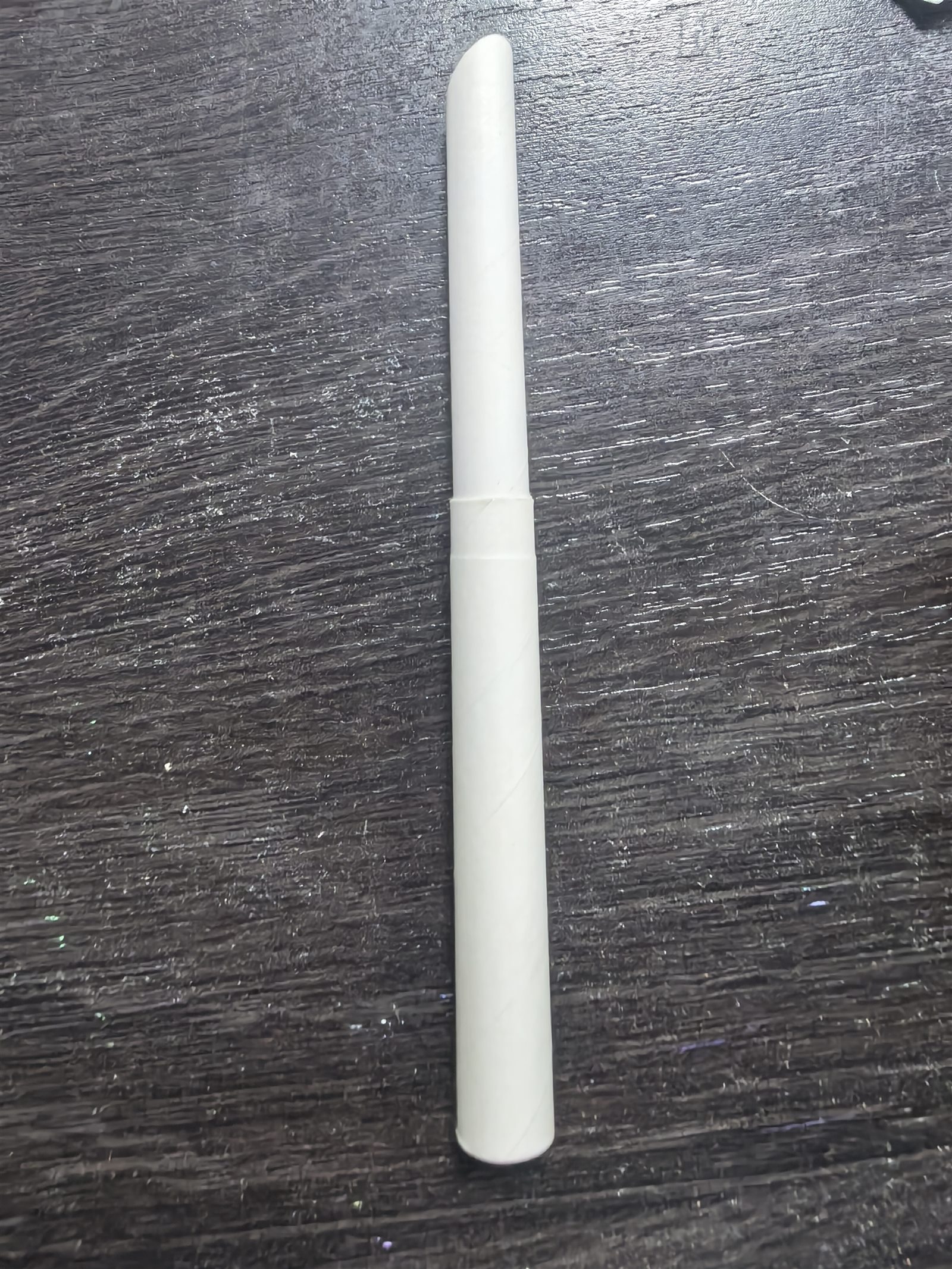
A straw only needs its full length when someone is drinking.
Before a straw reaches the customer, it is converted, wrapped, packed, stored, transported and often attached to a beverage pack. A conventional long format stays long throughout every one of those stages.
A telescopic paper straw begins with a simpler question: can the packed state and the drinking state be different? The inner tube stays inside the outer tube before use, then extends when the customer needs the full drinking length.
Compact when packed. Extended when used.
For a comparable format, the collapsed length can be close to half the extended drinking length. That does not automatically prove a logistics benefit for every supply chain. Carton configuration, wrapper design, pallet pattern and the existing package geometry all matter.
It does create a useful project question: when the packed straw is shorter, can the beverage pack, attachment method or shipping configuration be designed more efficiently? The answer should be confirmed with the actual line, pack and volume—not guessed from one demonstration.
The structure belongs in the beverage system.
Many beverage packs are compact while the drinking position still needs reach. A telescopic structure separates those two requirements: a shorter packed component and a longer in-use component.
That makes it worth exploring for single wrapping, cup-side or carton-side attachment, retail beverage packs and other formats where a long conventional straw is awkward to store or attach. Compatibility with automated packing and attachment equipment must always be assessed on the production line.
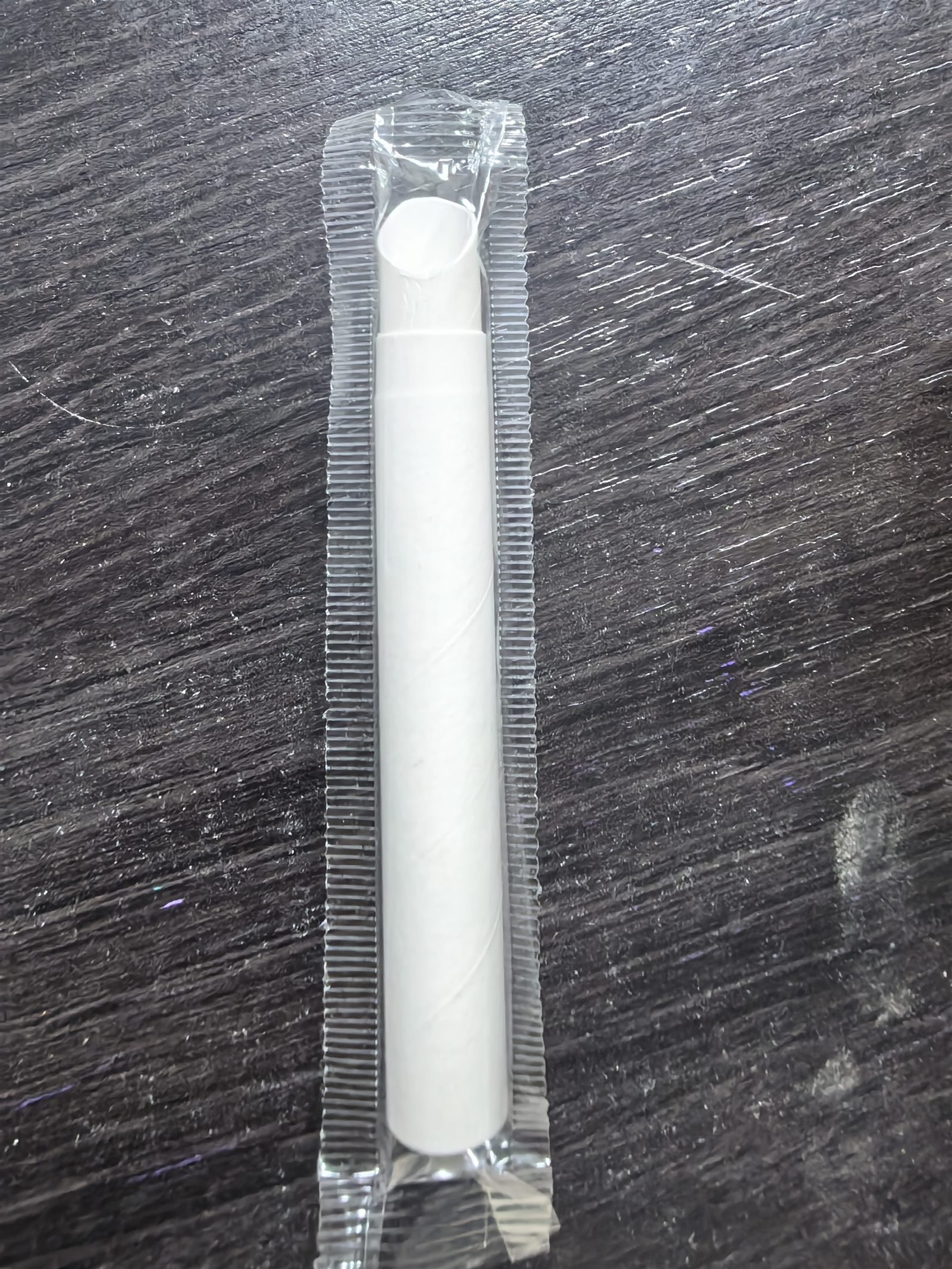
A small pull can create a memorable moment.
There is also a human side to the format. Pulling the inner tube out gives the customer a visible, tactile step before the first sip. Some brands may see that as a small moment of participation rather than just an extra operation.
It is not a universal consumer preference, and it should be tested with the intended audience. But for a beverage program that values interaction, the telescopic motion can become part of the product story.
The next step is a defined trial.
A useful telescopic-straw trial names the beverage, cup or carton format, desired compact and extended length, wrapper or attachment method, expected use time and acceptance criteria for extension and drinking. LVTU can help turn those conditions into a product and sample path.
The product is deliberately straightforward: two paper tubes, a controlled connection and a slanted drinking end. The value comes from applying that small structure to the right packaging problem.